Kubernetes Lab
Build a layout, connect components, and run Kubernetes experiments.
Component catalog
41 modelsApplication environments
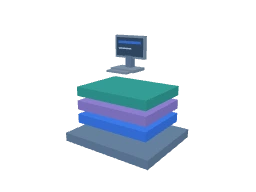
Application environment
Shows application files, runtime, and libraries above the host kernel.
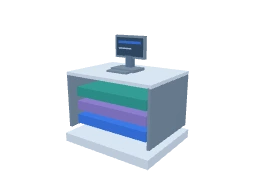
Container environment
Shows packaged dependencies inside a container filesystem boundary using a shared host kernel.
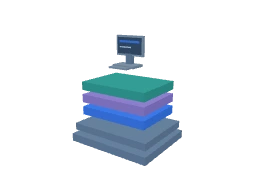
Virtual machine environment
Adds a guest kernel beneath an application environment.
Campus
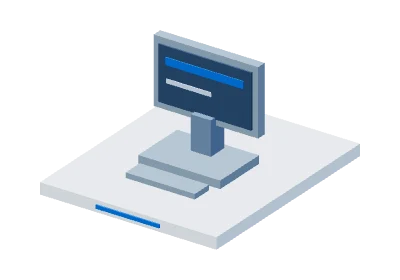
Customers
Sends requests to the shop.
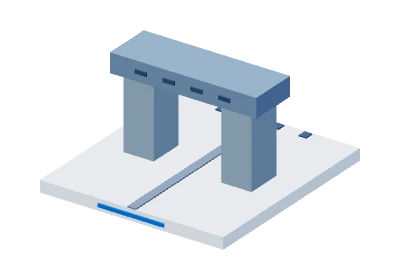
Shop gateway
Receives traffic and forwards it to available backends.
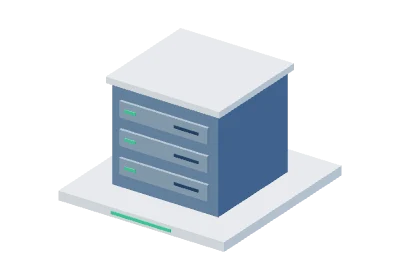
Standalone server
Runs the whole shop on one machine.
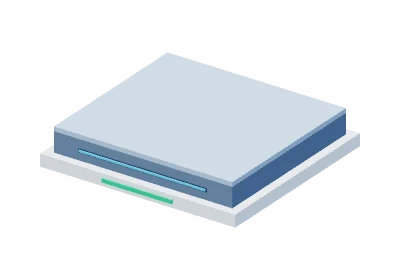
Worker node
Hosts workloads and shows how much CPU they reserve.
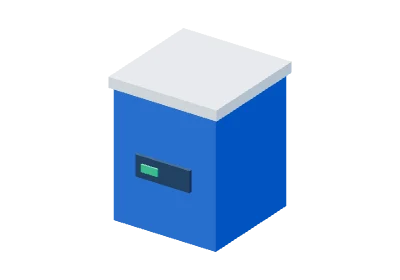
Campus Pod
Runs one copy of the shop on a worker node.
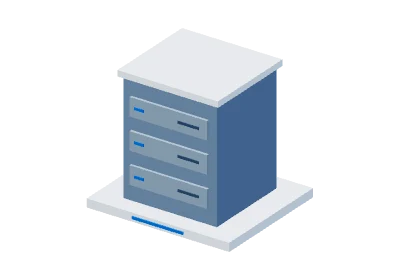
Coordinator
Keeps the shop replica count aligned with the desired state.
Cluster architecture
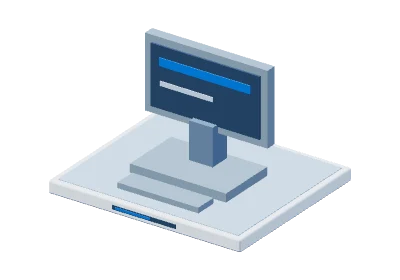
kubectl
Sends commands and declarations to the Kubernetes API.
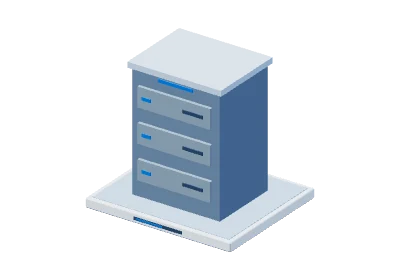
API server
Validates requests and exposes cluster state to other components.
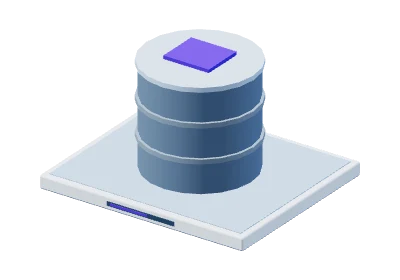
etcd
Stores the cluster’s API objects and desired state.
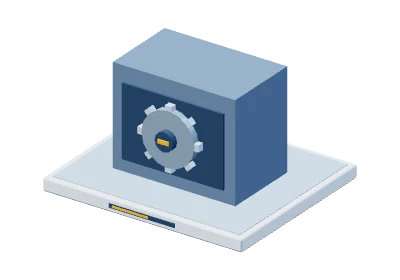
Controllers
Watch the cluster and reconcile actual state with the declared goal.
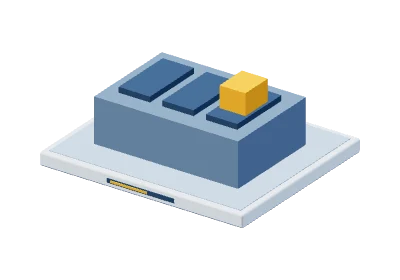
Scheduler
Chooses an eligible worker for a Pod.
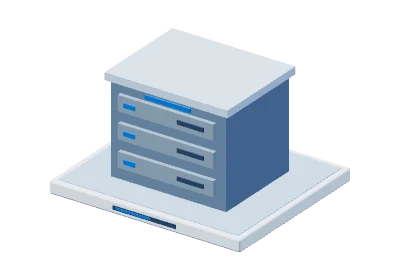
Kubelet
Manages assigned Pods and reports their status.
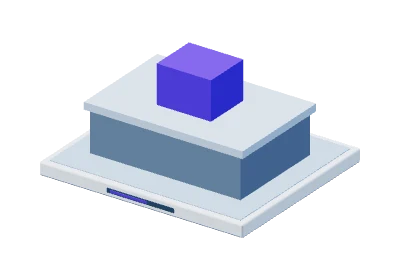
Container runtime
Pulls images and starts or stops containers on a worker.
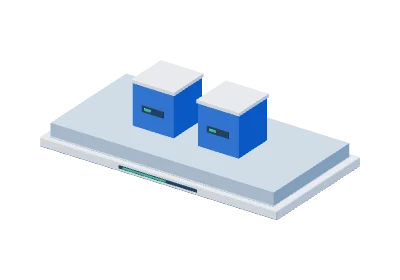
Application Pods
Shows the running shop Pods on a worker.
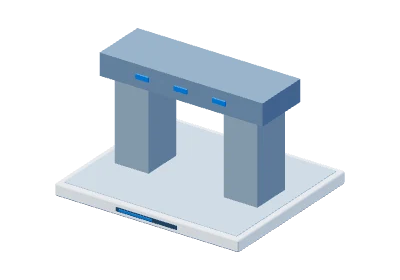
Shop Service
Gives the shop a stable entry point and routes to Ready Pods.
Images and containers
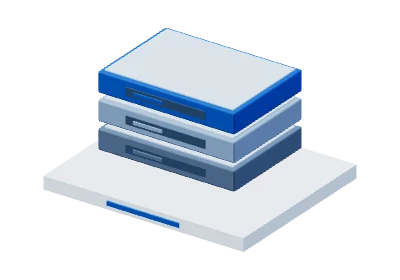
Container image
Packages the filesystem and dependencies in immutable layers.
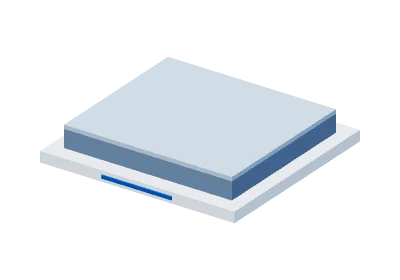
Container host
Provides the machine where an image can run.
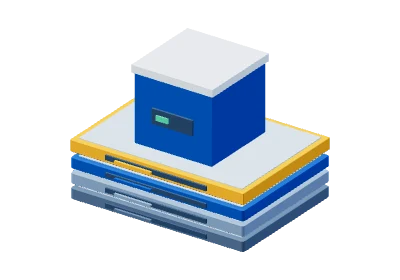
Running container
Pairs a running process with image layers and a writable layer.
Lesson models
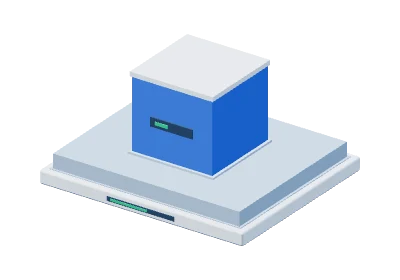
Pod
Represents a single workload and its current status.
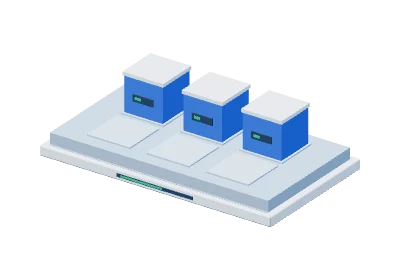
Replica group
Shows multiple Pods and their readiness together.
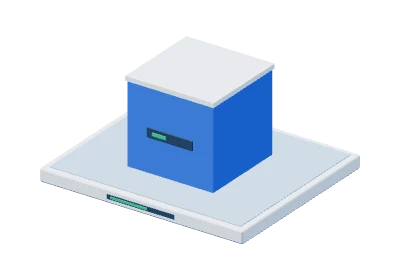
Container
Represents a process running inside a Pod.
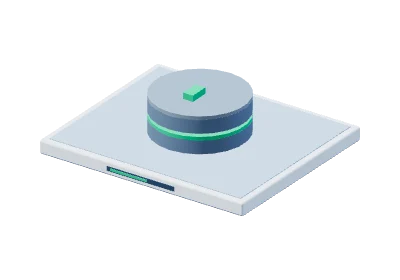
Database
Represents a data store used by an application or the cluster.
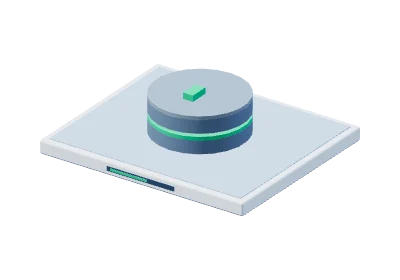
Storage volume
Represents a disk mounted by a workload.
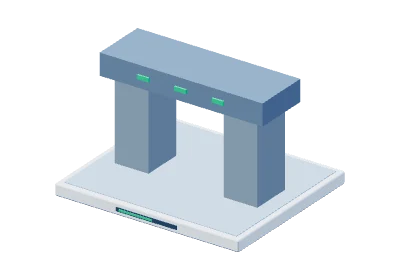
Service
Routes traffic to the endpoints that match its selector.
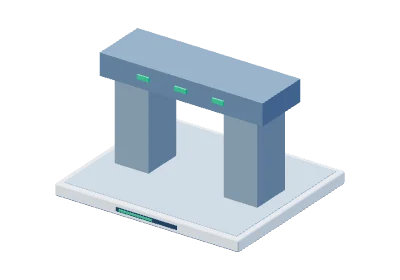
Load balancer
Provides an external address and forwards requests to the Service.
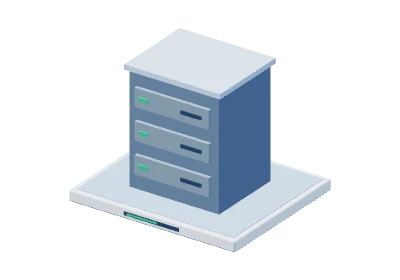
Controller
Reconciles the desired state of the resources it manages.
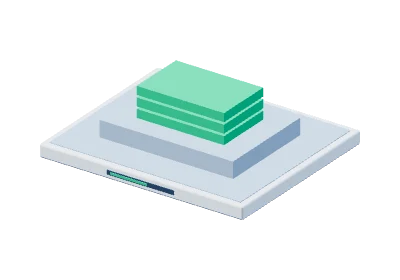
Manifest
Represents a Kubernetes declaration or saved configuration.
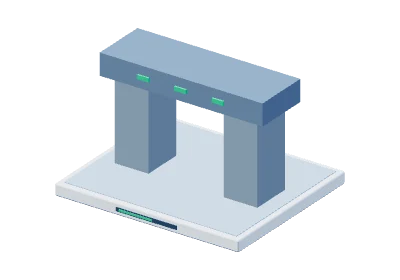
Gateway
Accepts incoming traffic and passes it to a matching route.
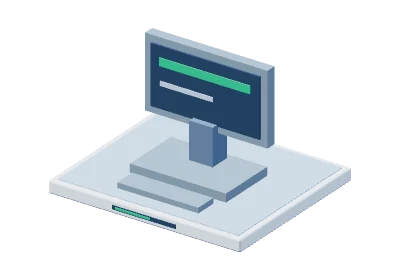
Client
Represents a user or workload making a request.
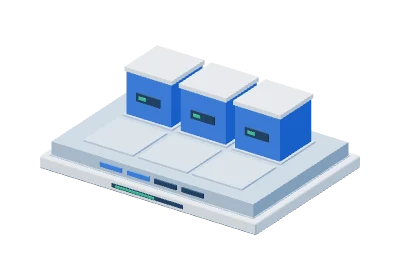
Node deck
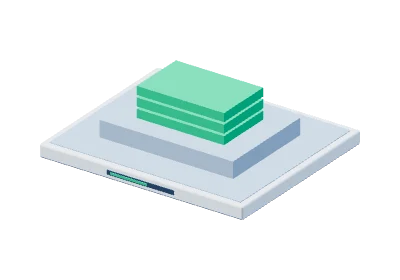
Shows the Pod slots and available capacity on a node.
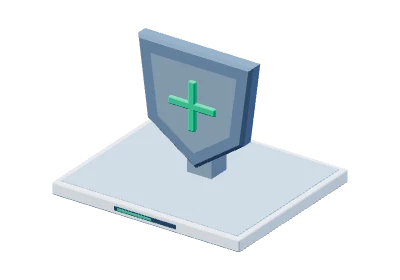
Policy gate
Shows whether a request is allowed or blocked.
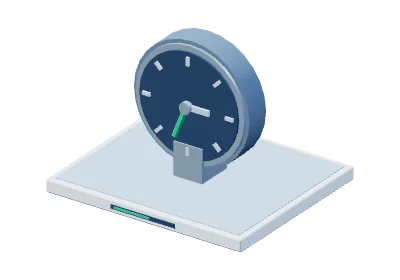
Timer
Tracks a deadline, grace period, or scheduled action.
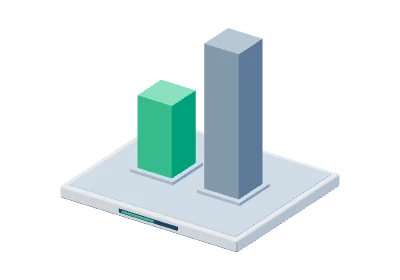
CPU meter
Compares requested or used CPU with the available amount.
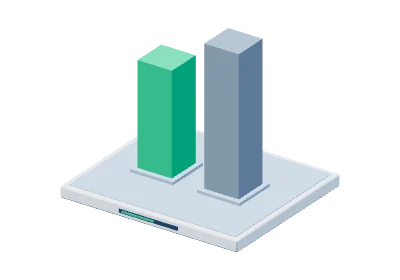
Memory meter
Compares memory demand with the configured limit.
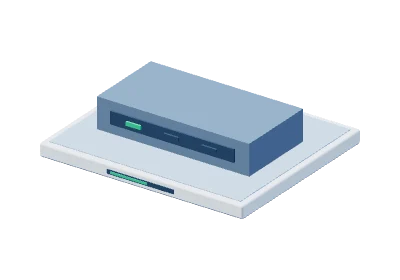
Network endpoint
Represents an address, destination, or network connection.
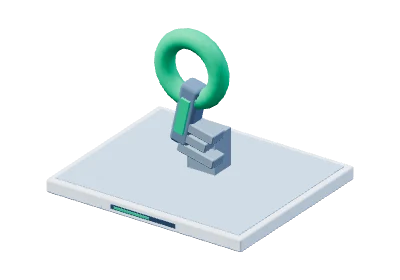
Credential
Represents the token or identity used to authenticate a request.
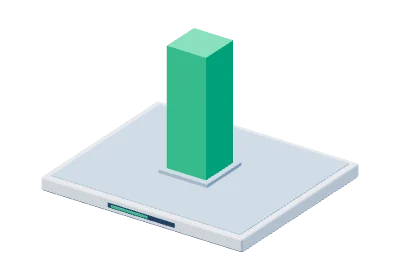
Trace meter
Shows time spent on a request or one of its spans.
Git declaration
Represents the desired state stored in a Git repository.